
Tag Archives: Tips & Tricks

tips and tricks for living the lake life. How-to ideas on maintenance for lake property and equipment

Tips for Buying Lakeshore Property

Tips When Buying Lakeshore Property

Tips When Buying Lakeshore Property


Purchasing real estate is always a big decision, but when you are looking at buying lakeshore property, there are other important considerations.

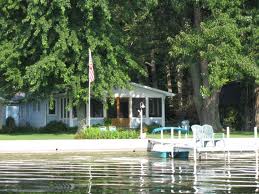
Purchasing a lake home is an important decision, and future value will be determined mostly by the quality of the lake and the lakefront land. Here some tips that you should keep in mind when you’re looking for the perfect waterfront property.


  • Don’t buy any kind of land without setting foot on it first; of course, this applies to any real estate purchase. Take the time to look it over closely and inspect it personally. Locate a copy of the plat map and find exactly where the property lines are.


  • Tips to Buying Lakeshore Property

    Buying Lakeshore Property

    See if there are any flood plain restrictions. If you build or buy a lake home in a flood zone it may be difficult to get insurance.
 

  • Talk to the neighbors. Ask what they think of the area and the lake. Are they happy with the neighborhood? If they love living on their lakeshore property, they’ll let you know – if they hate it, they’ll tell you that too.


  • If you want to build a lake home, be sure the lot will support a house of the size and setback you want. What are the shoreline restrictions?


  • If you’re buying lakeshore property in a remote location, know who is responsible for maintaining the road. Some banks need a road maintenance agreement before they  lend on remote properties.


  • Determine if the lake is constant level. If it’s not a constant level lake, then the water levels could fluctuate drastically.


  • Learn how this lakeshore property will change in the different seasons or when the weather changes.


  • If you’re planning on building a lake home, make sure you’ll have access to electricity, water, sewage and other utilities. Never assume that you can just “hook up”.


  • What size boat or boats do you plan to have? Is there adequate docking for it? If not, are there covenants that restrict you from getting it?
  • Interested in building a boat house or other structure after buying lakeshore property? Then make sure that there are no restrictive covenants preventing you from doing so. Many lake areas have limits on the building of new boat houses and/or docks.


  • Are you into fishing? Recreation? Swimming? Learn everything you can about the lake. Some lakes do not allow any motorized watercraft. Some lakes are great for swimming or fishing, and others are not. If you’re really into sport fishing, be sure to check which lakes have the best fishing for the particular species you like to fish.


  • Lastly, before you make the purchase offer on any lakeshore property, always make it conditional on an inspection of the land, its improvements, and any other specific items that apply. For example, if you don’t have access to sewage lines, make the offer conditional on your ability to get permits for a septic system. Of course, always make your offer for buying lakeshore property contingent on your ability to get financing for this lakefront property.


With these practical tips, you should be able to find and purchase the perfect lakeshore property, and enjoy if for many years to come!

Other Lakeshore Property Articles:


.

.
.

Canoeing Tips – Keep Your Trip Fun & Safe

Canoeing tips for beginners:

canoeing tips

Canoeing tips are better than tipping a canoe

First, know your equipment well. Don’t go into the water without the proper knowledge or without taking the right precautions. A haphazard canoeist can endanger not only himself, but his fellow paddlers as well.

.
. 


Inflatable Canoes

If you’re using inflatable canoes and floatation devices, be sure that you inflate them well at the start of the day; inflate them again after spending some time on the water. On spring days, the air bags will appear to deflate after a few minutes on the water. This is because the water in the spring is still cold. Remember that heat expands and cold contracts. the colder water temperature will contract the air inside the inflatable, causing it to deflate somewhat.

In hotter weather, the reverse will occur. When you put the inflated canoe into the water, the air inside it will expand due to the warmer temperature of the lake or river. To avoid bursting or over-inflating your canoe or floatation device it is best that you let some air out over the course of the day.

.
. 


Proper Stroke

If you’re handling too large a canoe, you might find that you have trouble reaching over the gunwale. In this situation your strokes will be too far away from the canoe. This will force the canoe to turn, rather than having a forward-driving force. The technique we recommend involves shifting weights.

[important]Canoeing Tips: Bring your knees together and shift your weight to the paddle side while paddling.[/important]

By shifting your body weight, the gunwale is lowered as you make each stroke. If you’re a beginner, don’t be surprised or scared. This position is actually very stable and the chances of capsizing are very slim.

From this position you can reach over the gunwale and keep your paddle in the vertical position. You’ll find it easier and more efficient to propel the canoe forward when you execute your strokes in this fashion.

.
. 


Get a Grip

canoeing tips

Finally, paddling a canoe can be easy or hard depending on your grip on the paddles. More often than not, holding a paddle with a relaxed grip will have better results. Holding the paddle too tightly can cause the blades to twist and turn on the water surface, which will affect the movement of the canoe. For more information on paddling technique see: Proper Technique to Paddle a Canoe.

[important]Canoeing Tips: A loose grip improves your feel for the paddle and, more importantly, reduces the tension in your arms and shoulders.[/important]

A loose grip will improve the way you bring the paddle blades over the water surface and will improve the way you steer your canoe.

These are only a few canoeing tips. There are more that will answer specific needs of paddlers. Canoeing is a skill that can be learned and enjoyed more with practice.

.
. 


[important]

Are you looking for an easier way to move your kayak or canoe

to and from the water?

Canoe & kayak carts offer a safe and easy way

to walk your craft to the launching site.

Check out this comparison of the top canoe & kayak carts.

[/important]


Other Canoeing Articles: